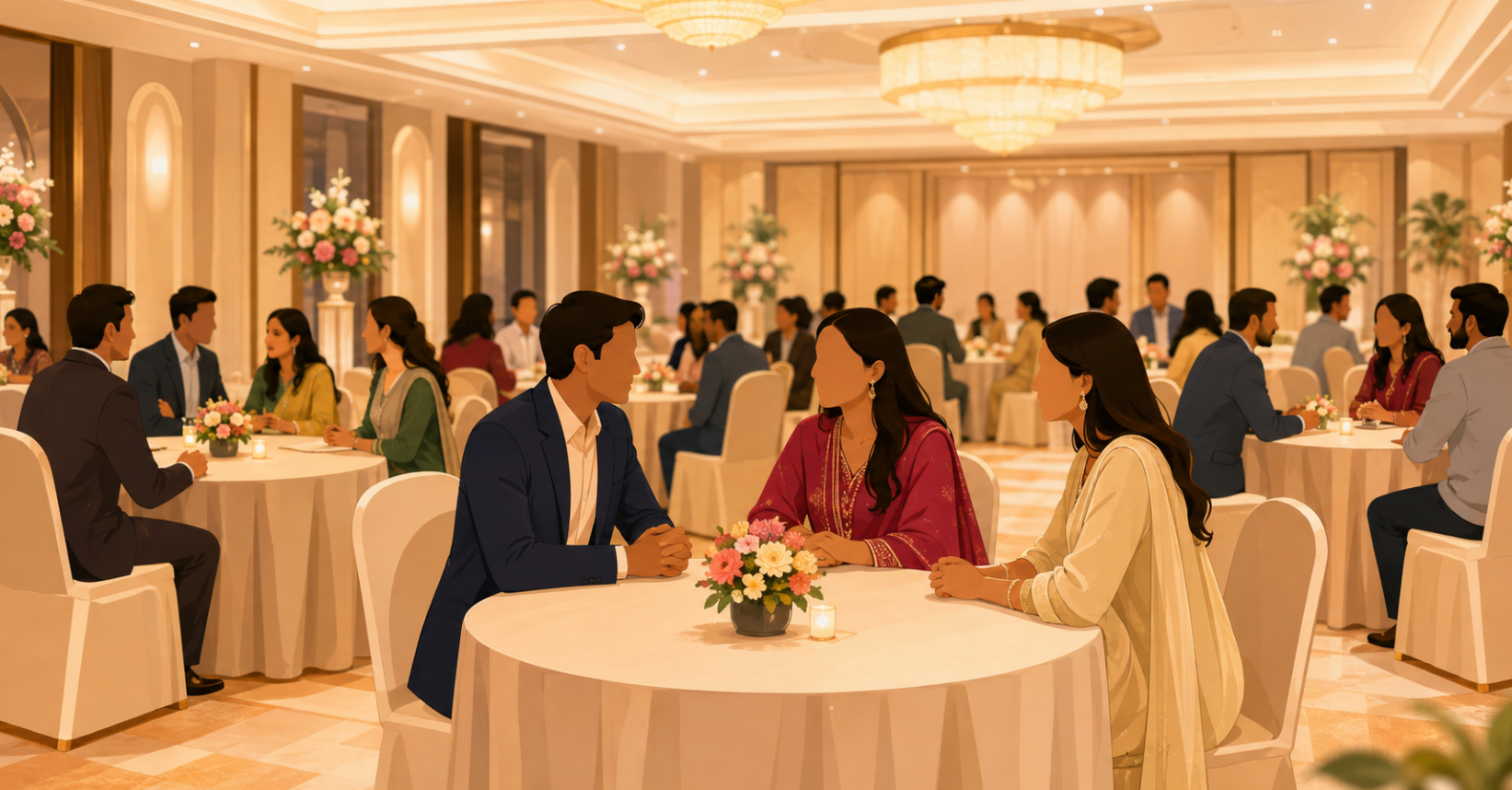
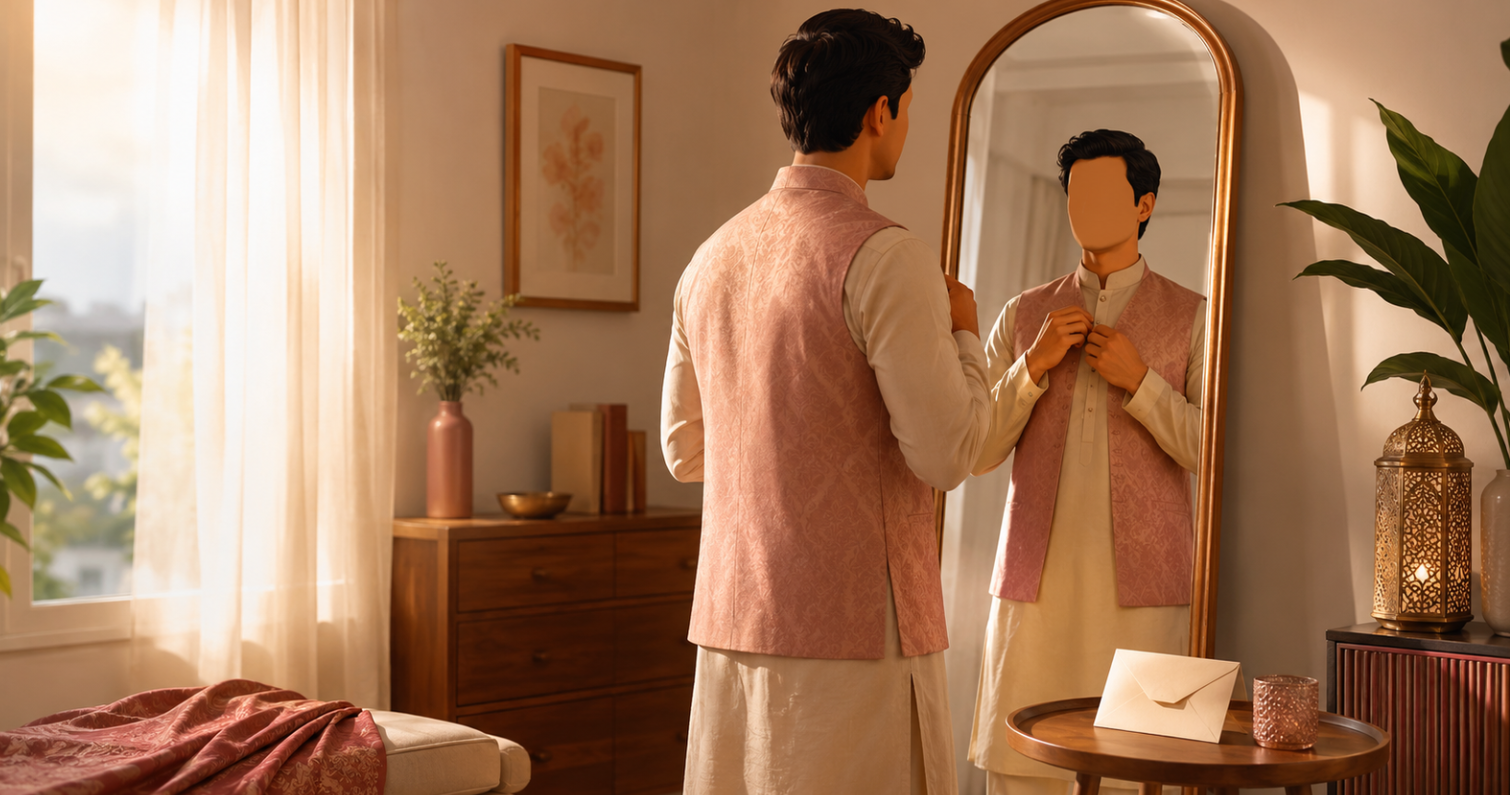
The week before your first matchmaking event is usually the hardest part. The event itself is rarely as daunting as the anticipation.
Preparation helps, though not in the way most people assume. You do not need a script or a strategy.
What genuinely helps is being clear about what you want, comfortable in what you are wearing, and realistic about what one afternoon can achieve.
Start by Deciding What You Are Looking For
This sounds obvious, yet many people arrive without having thought it through properly.
Write down what actually matters to you. Not a wish list, but the handful of things you would not compromise on.
Then separate those from your preferences. Preferences are things you would like, and requirements are things you need.
Most people find the requirement list is much shorter than expected. It usually covers values, faith, family expectations and where you want to live.
Knowing this makes conversations far easier. You stop trying to assess everything at once and focus on what genuinely matters.
Talk to Your Family Before You Go
For most people this search involves family, and that is entirely normal. The mistake is leaving the conversation until after you have met someone.
Have the discussion beforehand instead. Find out where your family is flexible and where they are firm.
It also helps to agree how involved they will be. Some families want to meet a prospective match early, while others prefer to wait.
Having that settled in advance removes a lot of friction later. It also means you can answer questions about your family's expectations honestly.
Choose the Right Event
Not every event suits every person. Attending the wrong one is a common reason first experiences disappoint.
Check these details before booking:
- The community, faith or language focus of the event.
- The age range the event is aimed at.
- Whether it is for individuals or open to families.
- Whether it is in person or online.
- The city and venue, and how you will travel there.
If you are unsure, start with something smaller. A large event can feel overwhelming as a first experience.
You can filter upcoming events by category and city to find something that matches your situation.
What to Wear
Dress smartly, comfortably, and like yourself. Those three together matter more than any specific outfit.
Traditional and formal western clothing are both perfectly appropriate at most events. Choose whichever you feel more natural in.
Comfort matters more than people expect. You may be sitting, standing and moving between tables for several hours.
Avoid anything you will spend the afternoon adjusting. Fidgeting with clothing reads as nervousness even when you feel fine.
If the event listing mentions a dress code, follow it. When it does not, smart and modest is a safe standard almost everywhere.
What to Bring
Keep this simple. A short list covers everything you will actually need.
- Photo identification, since many organisers verify guests at check in.
- Your booking confirmation, on your phone or printed.
- A phone that is charged, kept on silent during the event.
- A small notebook or notes app for names you want to remember.
The last one is more useful than it sounds. After a dozen conversations, names and details blur together quickly.
Make your notes discreetly between conversations rather than during them. Writing while someone talks changes the feel of the exchange entirely.
Prepare How You Introduce Yourself
Most events open with brief introductions, and this is the part people worry about most.
Prepare roughly thirty seconds. Your name, what you do, and one thing you enjoy is genuinely enough.
Do not memorise it word for word. Know the three points you want to make and let the wording come naturally on the day.
Avoid listing achievements. A qualification and a job title tell people very little, and they will hear a dozen similar introductions.
One specific detail works better than three general ones. Mentioning that you cook, or hike, or restore old radios, gives people something to ask about.
Think About What You Will Ask
Having a few questions ready removes most of the pressure from short conversations.
Good opening questions are easy to answer and open onto something bigger. Ask what someone does with their weekends, or what part of their work they enjoy.
Save the heavier subjects for later conversations. A first meeting is not the place for detailed questions about finances or family disputes.
Our guide on what to ask when meeting a prospective match covers this in much more detail.
Set Realistic Expectations
This is the single most useful preparation you can do, and it costs nothing.
You are not going to find your life partner in the first ten minutes. Almost nobody does, and expecting it only sets you up for disappointment.
A realistic aim is to have one or two conversations worth continuing. That is a genuinely good outcome from a single afternoon.
It also helps to accept that most conversations will go nowhere. That is not rejection, it is simply how compatibility works.
People who attend with modest expectations tend to enjoy the day far more. They also come across as more relaxed, which helps.
Practical Logistics
Small practical failures cause more stress than anything else on the day.
Check the venue location and plan your journey with time to spare. Arriving flustered affects the first hour more than you would think.
Eat something beforehand. Refreshments at events are usually light, and conversation is harder when you are hungry.
Confirm the start time carefully, since arriving after the introduction round makes everything afterwards harder.
If you are travelling from another city, look at the venue details in advance so you know exactly where you are going.
If You Are Attending With Parents
Family attendance is normal at many events, and it works well when everyone agrees the approach beforehand.
Discuss in advance how much your parents will speak on your behalf. Most people prefer to lead their own conversations, and that is worth saying out loud.
Agree a simple signal for when you would like a moment to yourself. This avoids any awkwardness during the event.
Remember that families are usually there for the same reason as you. Most parents are quite happy to talk among themselves.
What to Do Afterwards
Preparation continues after the event, and this part is often neglected.
Write down your impressions the same evening while they are fresh. Names, details, and how each conversation felt.
Then express interest promptly through whatever process the organiser uses. Waiting a week rarely helps anyone.
Give yourself a day before making final judgements. First impressions formed in a busy room are not always reliable.
What Not to Do Before an Event
A few common mistakes make the day harder than it needs to be.
- Do not rehearse answers word for word, since it always sounds rehearsed.
- Do not research other attendees beforehand if names are shared.
- Do not schedule anything stressful immediately before or after.
- Do not attend purely because family pressed you into it.
- Do not decide in advance exactly who you are looking for.
That last point matters most. People who arrive with a rigid picture often overlook someone they would have liked.
Attending under pressure is also worth avoiding. It shows, and it rarely produces a good conversation.
Preparing Emotionally
This part gets far less attention than clothing and questions, though it affects the day more.
Accept in advance that some conversations will not go well. Someone may seem uninterested, and that is about fit rather than your worth.
Decide beforehand how you will handle disappointment. Knowing you will feel flat afterwards makes the feeling much easier to manage.
It also helps to have something planned for the evening. Going straight home to think it over rarely helps anyone.
Remember that everyone in the room is nervous, including the people who appear entirely comfortable.
A Simple Checklist for the Week Before
If you would rather not think about all of this in detail, this short list covers the essentials.
- Confirm the date, timing and venue, and plan your journey.
- Decide what you are wearing and try it on beforehand.
- Write down your three non-negotiables and your main preferences.
- Have the family conversation about expectations and involvement.
- Prepare a thirty second introduction and three easy questions.
- Check what identification the organiser requires at check in.
Working through this once removes almost all the last minute stress. None of it takes more than an hour in total.
Then leave it alone. Over-preparing in the final days tends to increase nerves rather than reduce them.
Why the First Event Is the Hardest
Almost everyone finds their first event more difficult than the ones that follow, and this is worth knowing in advance.
The difficulty is unfamiliarity rather than the event itself. You do not know the format, the room, or how you will feel.
Once you have done it once, all of that is answered. The second event asks far less of you.
So judge the format on your second or third experience rather than your first. Deciding after one event is deciding on incomplete information.
Travelling to an Event in Another City
Many people travel for a meet, particularly when a specific community or category is better represented elsewhere.
If you are travelling, arrive the day before where you can. Attending straight after a long journey affects how you come across.
Book accommodation near the venue rather than relying on unfamiliar transport on the day.
Check the venue location in advance so you are not navigating a new city under time pressure.
Treat the travel as part of the commitment. People who have travelled tend to approach the day more seriously, which usually shows.
Bottom Line
Preparing for a matchmaking event is mostly about clarity rather than performance. Know what you want, choose the right event, and dress comfortably.
Prepare a short introduction and a few easy questions. Then let the day unfold without expecting too much from it.
If you want to know exactly how the day itself runs, read our guide on what actually happens at a matrimonial meet.
Ready to take the first step? Register free and browse events suited to what you are looking for.
Frequently Asked Questions
What should I wear to a matchmaking event?
Smart, comfortable clothing that feels like you. Traditional and formal western clothing are both appropriate at most events.
Should I take my parents with me?
That depends on the event and your preference. Check whether the event is designed for individuals or open to families.
How early should I arrive?
Aim for ten to fifteen minutes before the start. That gives you time to check in without a long wait.
What if I get nervous and cannot think of anything to say?
Prepare two or three easy questions beforehand. Asking about someone's work or weekends will restart almost any conversation.
Is it acceptable to take notes during the event?
Yes, though do it between conversations rather than during them. Most people find it sensible rather than strange.
How many events should I attend before expecting results?
There is no fixed number. Most people find their second and third events go considerably better than their first.